Can a Robot Deliver Your Dinner for $6? Steve Burns of NoTip
Food delivery runs on an expensive mismatch: a 5,000 lb car, a gig driver, and a markup on every order, all to move a three pound meal a few miles. Steve Burns spent 20 years building electric delivery vans at Workhorse for UPS and FedEx. Now his company NoTip is going after the part autonomy hasn't solved: the last 100 feet from the curb to your front door.
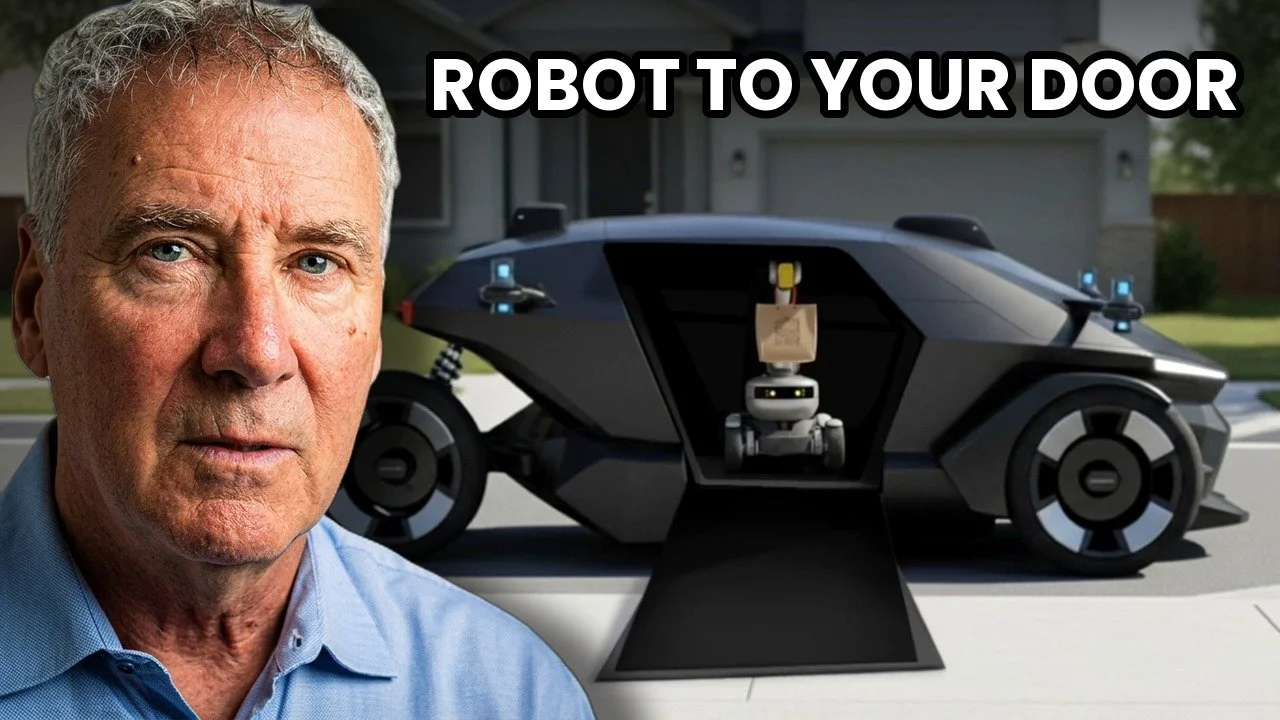
NoTip uses two vehicles working together. A 1,500 lb electric three-wheeler handles the road. A small robot named Noah rides inside, rolls down a ramp at the curb, and carries the order to the doorstep. Flat $6 delivery fee, no tip. It's live now in Mason, Ohio.
In this episode:
- Why sidewalk robots don't work in suburbia, where most food delivery actually happens
- The mothership model: a road-worthy vehicle plus a delicate doorstep robot
- How a lighter vehicle and autonomous reaction time cut stopping distance
- RTK positioning: using the parked car as a fixed anchor for centimeter-level accuracy
- Training for shadows, night and snow, and why bad-weather days are peak demand
- The fleet economics lesson from UPS and FedEx
- What a $30 order really costs through the incumbents, and where the markup goes
- Where NoTip goes next, and the timeline to full autonomy
0:00 — The real cost of food delivery
0:28 — From Workhorse vans to autonomous delivery
1:19 — Why delivery got so expensive
2:38 — Are people ready for robot delivery?
4:05 — The hidden complexity of the last 100 feet
7:35 — Why sidewalk robots fail in the suburbs
9:08 — The mothership: a two-vehicle delivery system
18:00 — Designing a lighter, safer delivery vehicle
27:42 — How Noah sees: shadows, snow and RTK positioning
38:31 — Next cities and the road to full autonomy
Guest: Steve Burns, Founder and Executive Chairman, NoTip