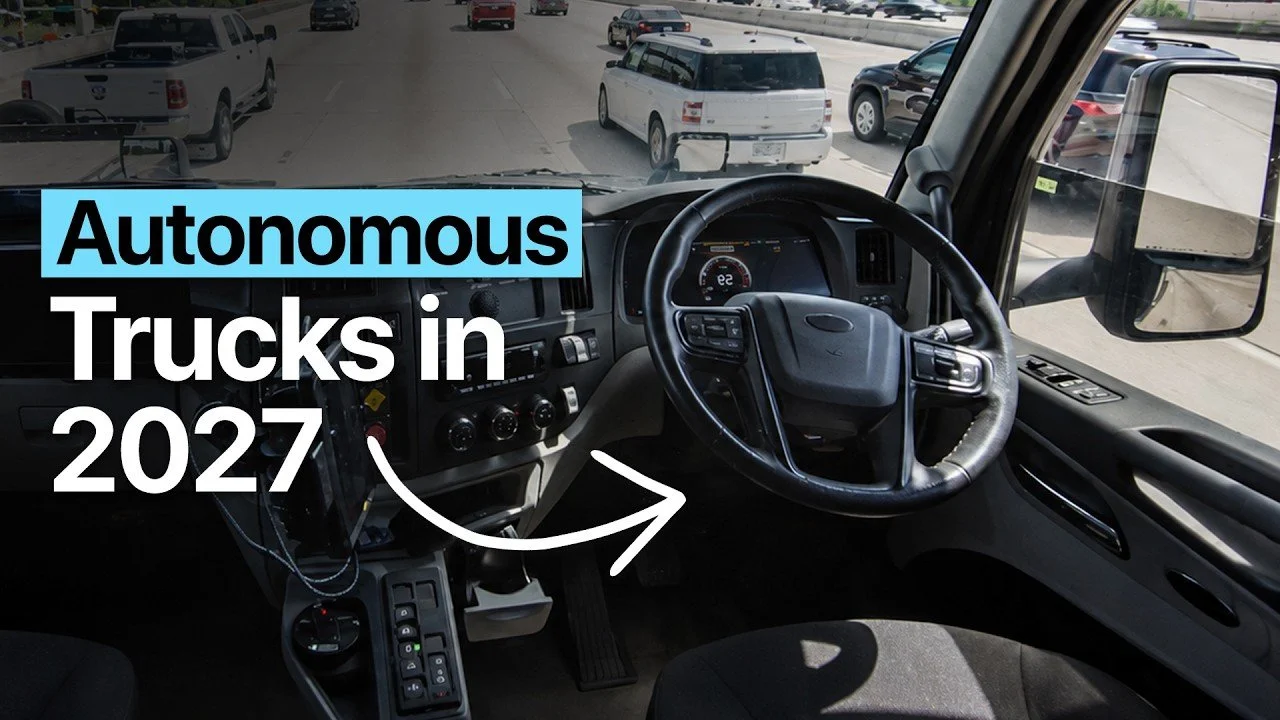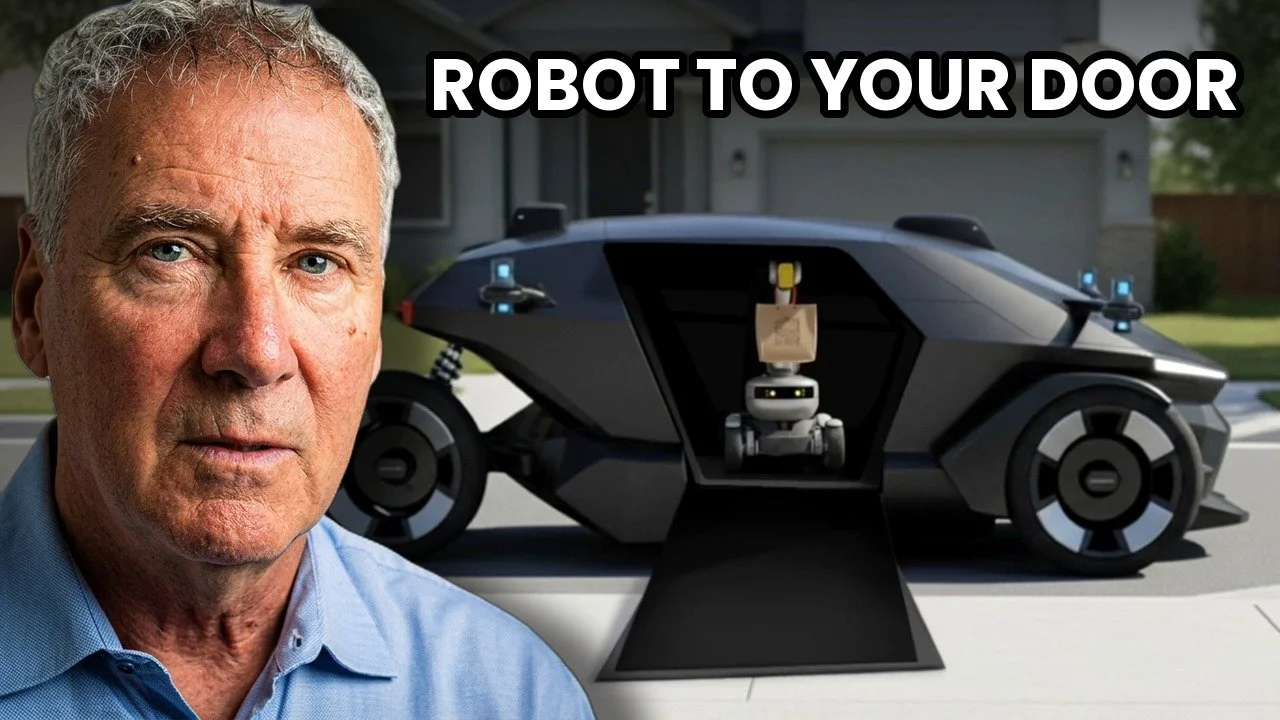

Physical AI Is Coming for Fleet Operations — with Colin Dhillon
For 40 years, "the robots are coming for your job" was wrong. My guest argues that's finally changing.
I sat down with Colin Dhillon, futurist, President of ImagineQ, and advisor to NuPort Robotics, to unpack Physical AI — the convergence of neural networks, autonomous systems, and real-world operations — and why it's reshaping fleet economics faster than most leaders realize. Neural networks have eliminated the need for human-written code in autonomous vehicles. Lights-out factories are building a million phones with zero humans. The truck cabin itself could disappear. We get into why fleets will convert to autonomy fastest, the infrastructure gaps holding it back, and what separates the leaders positioning for 2035 from those still optimizing yesterday's operations.
Chapters:
0:00 — Why "Robots Taking Jobs" Was Wrong… Until Now
2:26 — Colin's Journey from Car Design to Physical AI
4:16 — What Is Physical AI? Jensen Huang's Digital Species
7:20 — Why 80s Robots Never Took Your Job But Neural Networks Will
9:45 — China's Lights-Out Factory: 1 Million Phones, Zero Humans
13:20 — 30 Humanoids on Stage: 14 Weeks of Training Compressed to Hours
16:01 — The Jobless Future and Why the Industrial Revolution Was Just a Blip
17:20 — Why Colin Went from Fighting Regulation to Demanding It
21:54 — Smart Car, Dumb Infrastructure: Why Snow Breaks Autonomy
25:36 — The Real 5G Gap: Zero North American Cities Have It
30:26 — Why Fleets Will Convert to Autonomy Fastest
31:28 — The Cone Problem: Autonomy's Last Human Barrier
36:03 — 94% of Accidents Are Human Error: The Case for Physical AI
38:22 — The Truck Cabin Might Disappear Entirely
43:54 — The Banana Thought Experiment: When Labor Cost Hits Zero
49:14 — Through a Dystopia Before We Get to the Utopia
Guest: Kulbir "Colin" Singh Dhillon, President, ImagineQ Inc. — LinkedIn